

Influencity
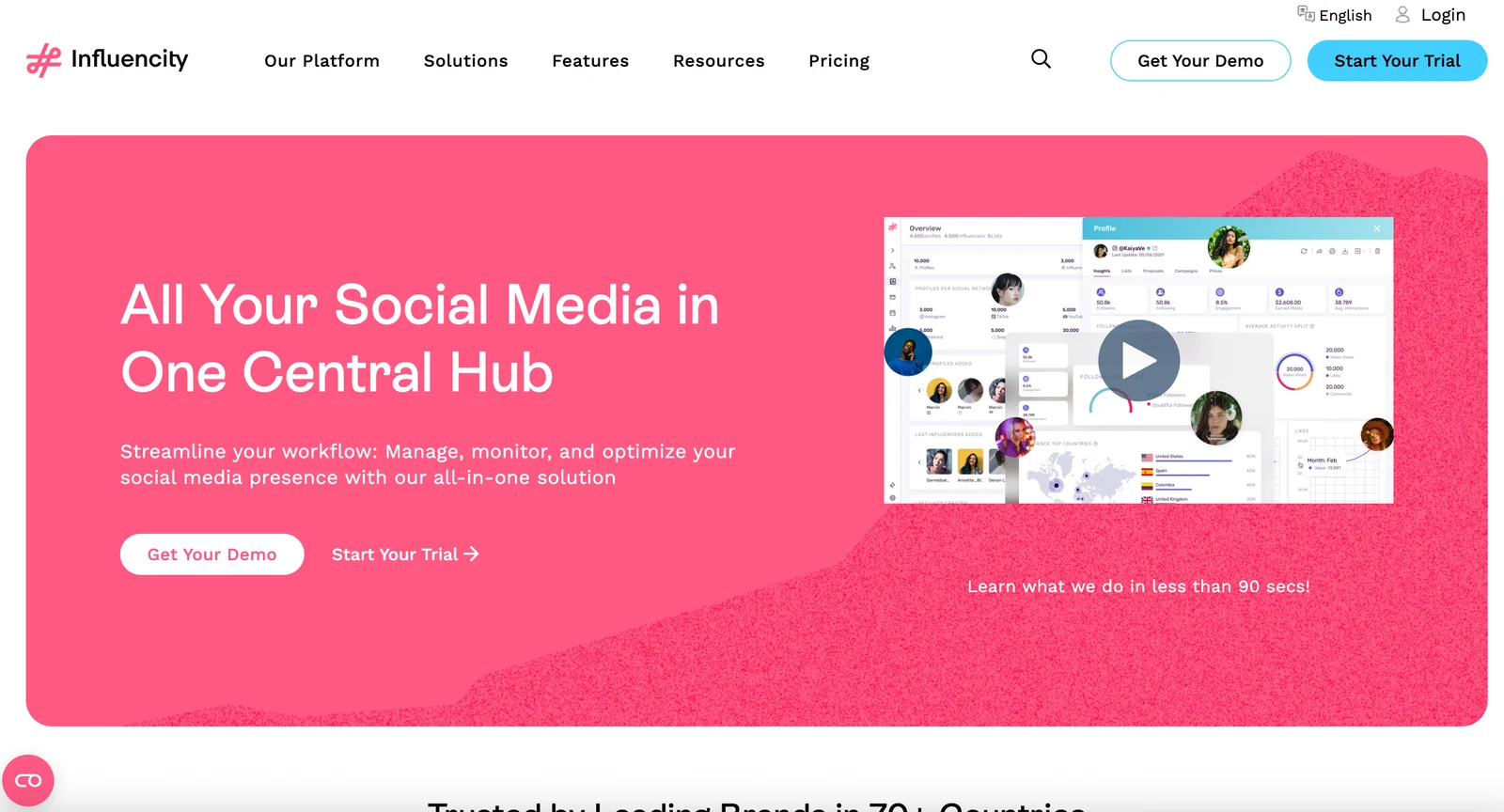
AIAll-in-one influencer marketing platform to discover, manage, analyze, and optimize influencer campaigns for brands and agencies.
Influencity
All-in-one influencer marketing platform to discover, manage, analyze, and optimize influencer campaigns for brands and agencies.
About Influencity
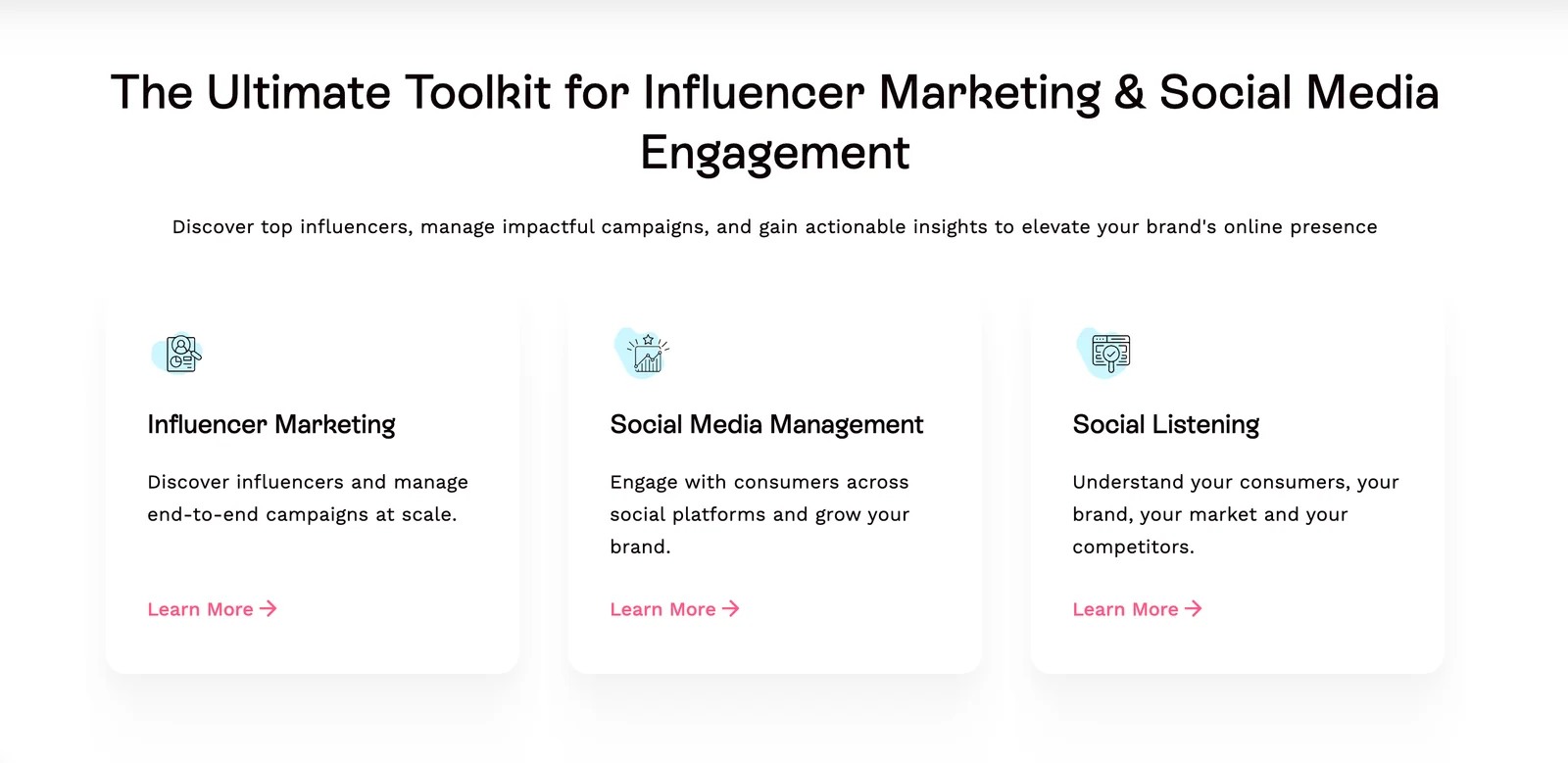
Influencity is a complete influencer marketing platform that helps brands and agencies plan, execute, and measure influencer campaigns. The platform centralizes campaign management, influencer discovery, audience and performance analytics, and reporting to streamline workflows and improve campaign ROI. Its value lies in combining discovery, metrics-driven evaluation, and campaign operations in a single SaaS interface to simplify collaboration and optimization.
Screenshots
Key Features
Use Cases


Frequently asked questions about Influencity
What are the pricing options for Influencity?
Influencity offers a range of pricing plans to suit various business needs: Professional at $318/month, Business at $998/month, and custom Enterprise plans. An entry-level option is available starting at $349/month. For detailed pricing on custom plans, contacting Influencity directly is recommended.
Key Points
- Multiple pricing tiers cater to different business sizes.
- Entry-level option starts at $349/month.
- Custom Enterprise plans are available based on specific requirements.
Detailed Explanation
Influencity provides flexible pricing structures designed to accommodate businesses of all sizes, from small startups to large enterprises.
-
Professional Plan: At $318/month, this plan is ideal for small to medium-sized businesses looking to enhance their influencer marketing strategies. It often includes features like campaign management, analytics, and access to a limited number of influencers.
-
Business Plan: Priced at $998/month, this plan is suited for larger organizations that require advanced tools and a broader reach. It typically offers comprehensive analytics, a larger influencer database, and enhanced customer support.
-
Entry-Level Option: Starting at $349/month, this plan is perfect for startups or brands just beginning their influencer marketing journey. It provides essential tools to get started without the commitment of higher-tier plans.
-
Custom Enterprise Plans: These plans are tailored to meet the specific needs of larger companies or those with unique requirements. Pricing varies based on the features included and the scale of services required. Interested businesses should contact Influencity directly for a personalized quote.
Best Practices / Tips
- Assess Your Needs: Before selecting a plan, evaluate your business size, budget, and specific influencer marketing goals. This ensures you choose the most suitable option.
- Contact for Custom Plans: If your requirements exceed standard offerings, reach out for a custom plan. Influencity can tailor features to better align with your business objectives.
- Trial Period: If available, consider taking advantage of any trial periods. This allows you to test features and determine the plan that best fits your needs without an upfront commitment.
Additional Resources
What features does Influencity provide for influencer marketing?
Influencity offers a suite of powerful features for influencer marketing, including influencer discovery, campaign management, audience analytics, reporting dashboards, and relationship management. These tools empower brands to enhance their influencer marketing strategies, ensuring efficient campaign execution and measurable results.
Key Points
- Influencer Discovery: Find the right influencers for your brand.
- Campaign Management: Streamline the planning and execution of campaigns.
- Audience Analytics: Gain insights into target demographics and engagement.
Detailed Explanation
Influencity provides a comprehensive platform designed to facilitate every aspect of influencer marketing:
-
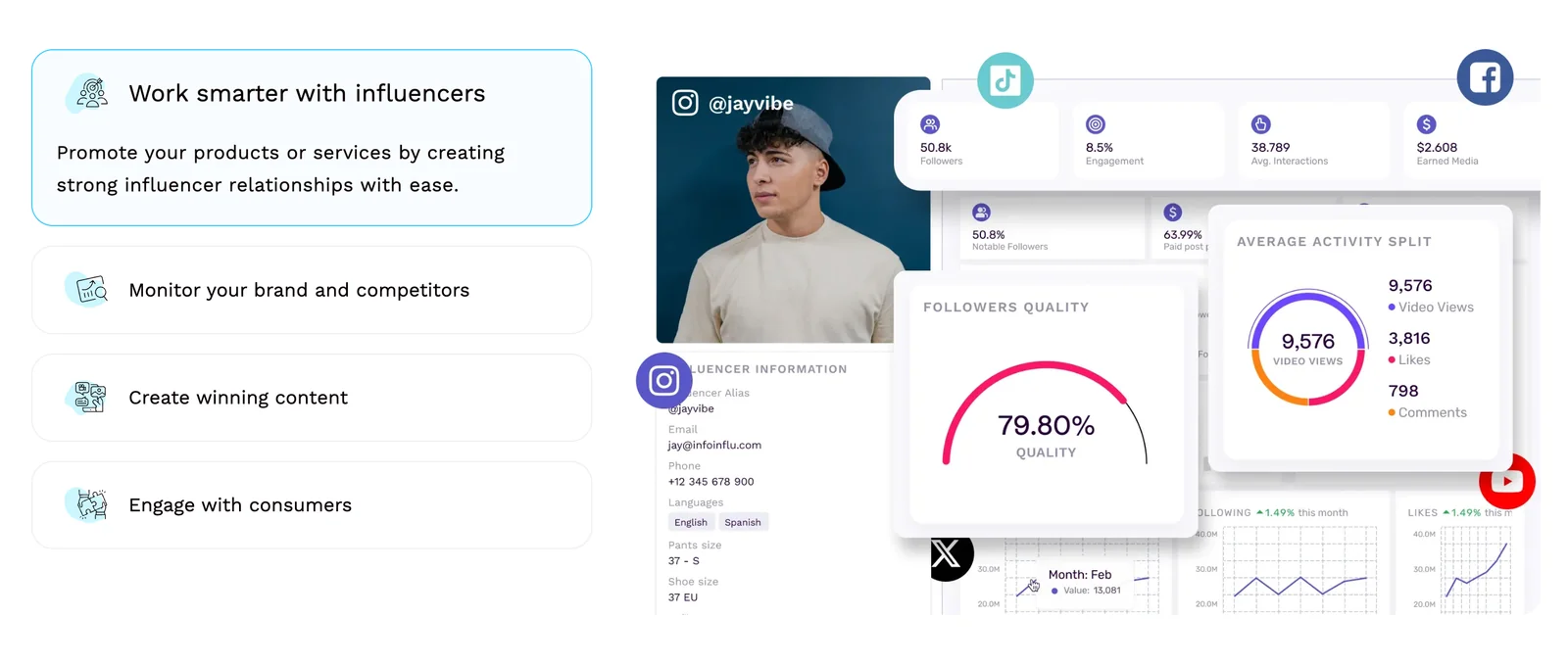
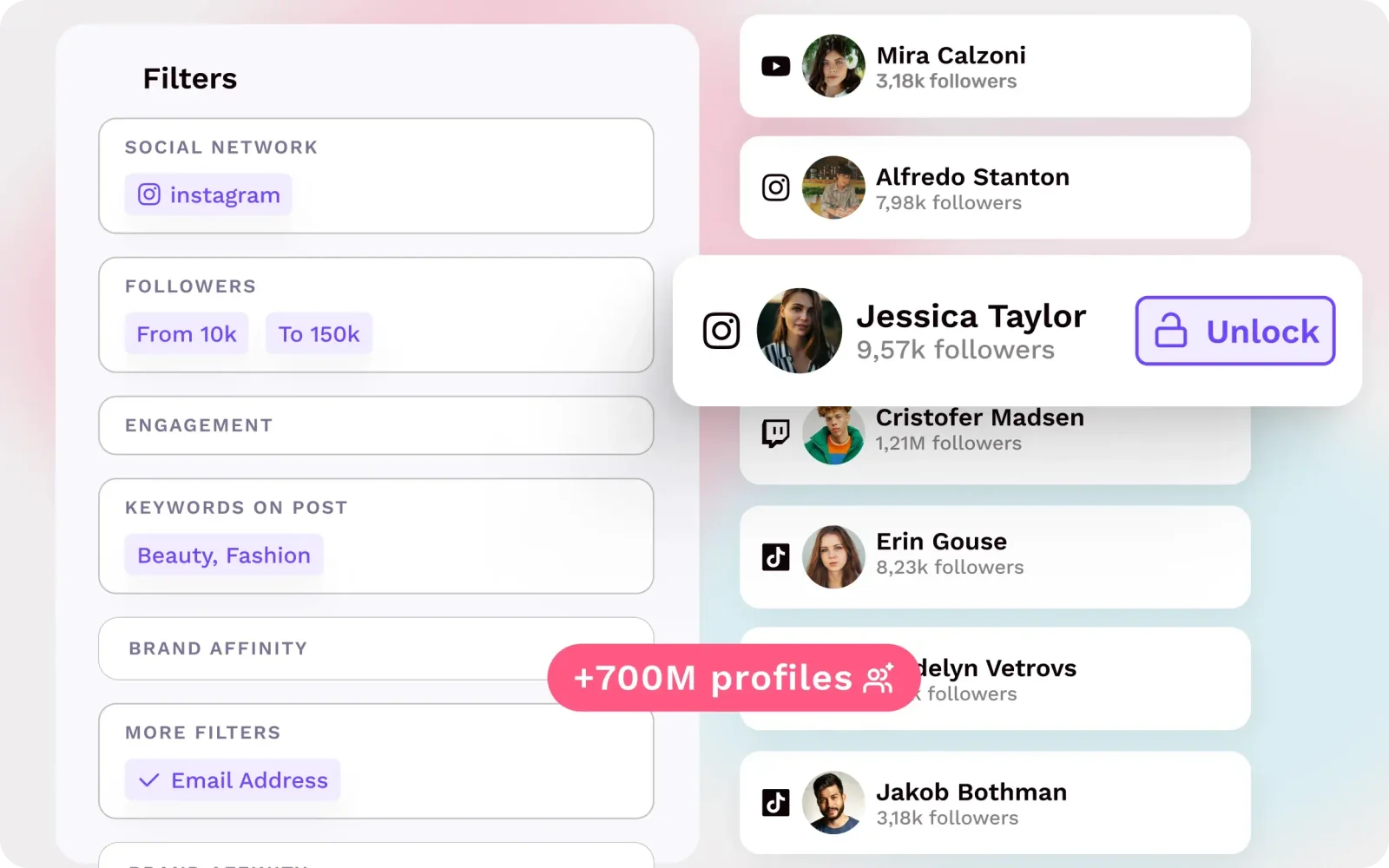
Influencer Discovery: Utilize advanced search filters to identify influencers based on niche, audience demographics, engagement rates, and previous campaign performance. For example, brands can filter by location, follower count, and engagement to find influencers that align perfectly with their marketing goals.
-
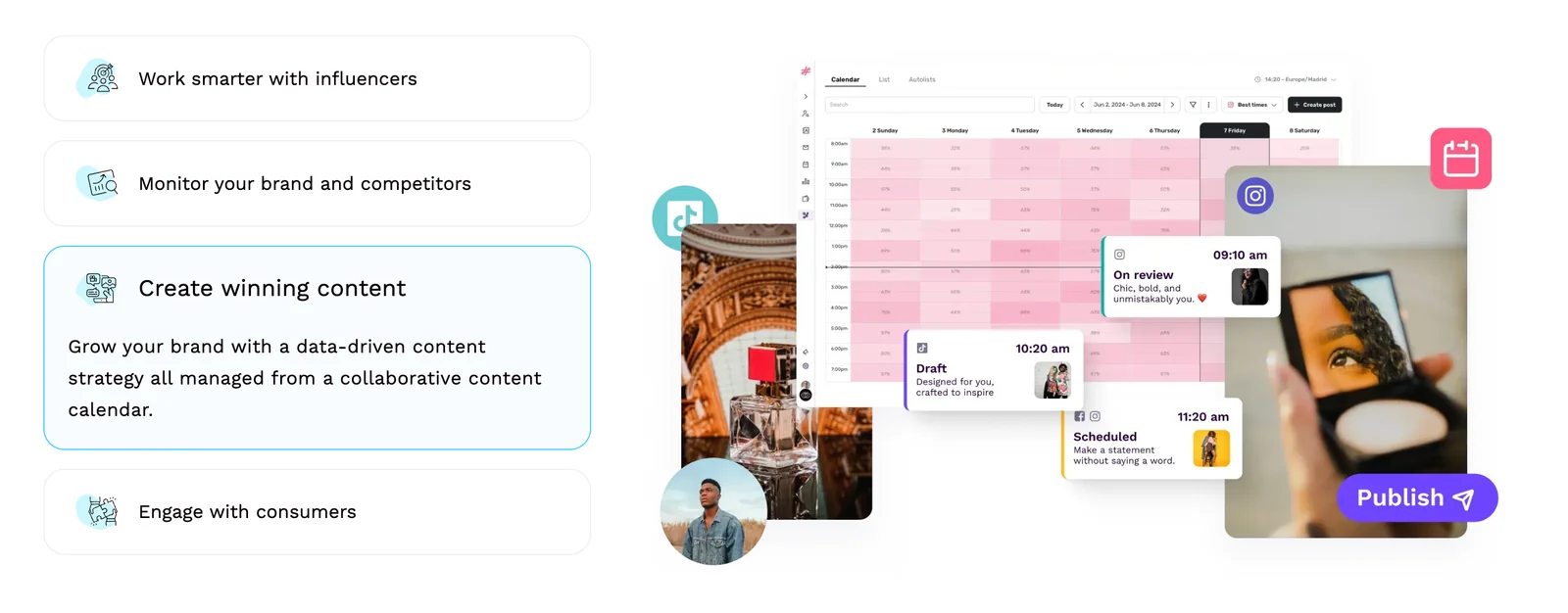
Campaign Management: The platform allows brands to create, manage, and optimize influencer marketing campaigns from a single dashboard. Users can set campaign objectives, timelines, and budgets, making it easier to track progress and adjust strategies in real-time.
-
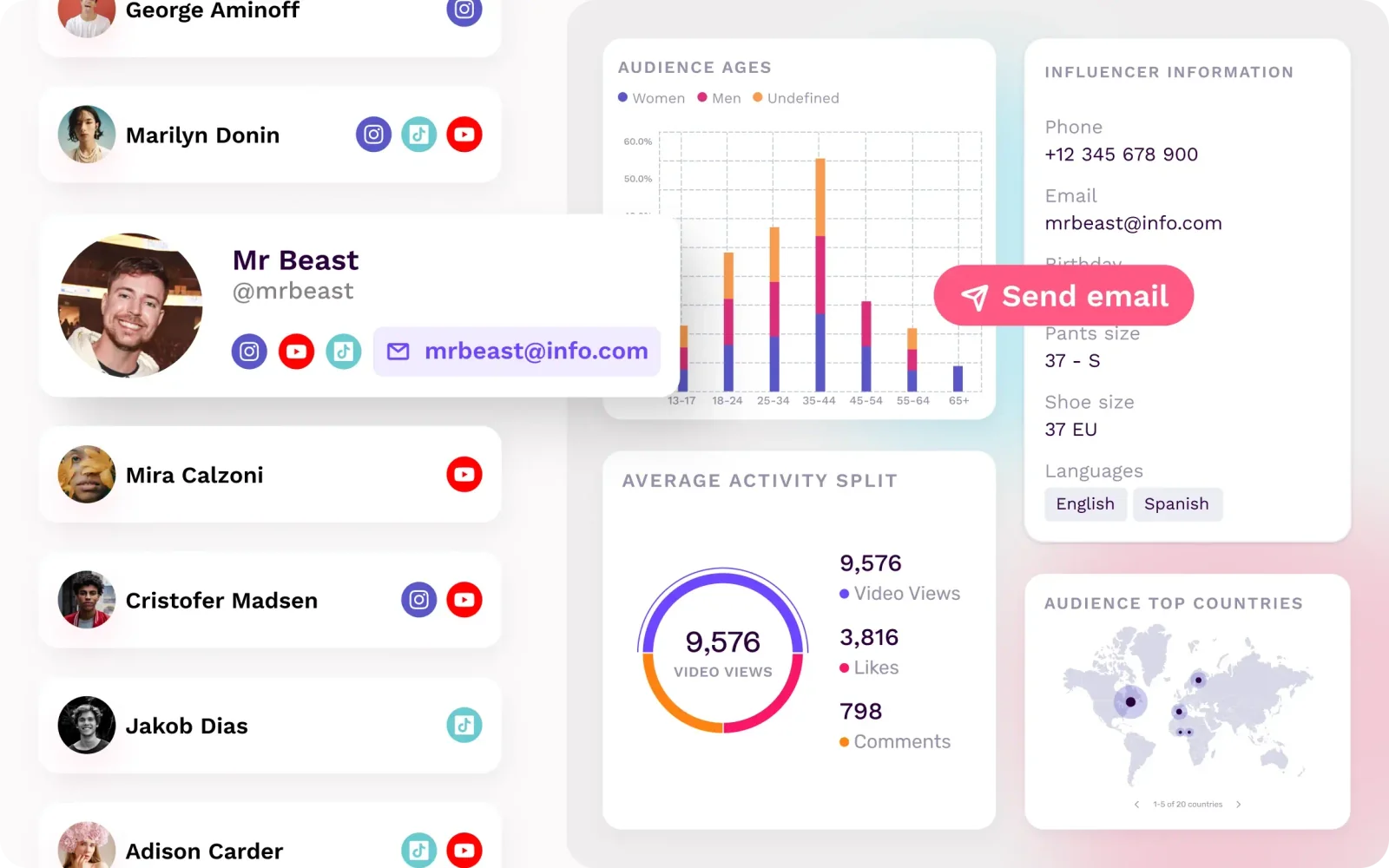
Audience Analytics: Influencity’s analytics tools provide deep insights into influencer audiences, helping brands understand their potential reach and impact. Users can analyze metrics such as audience demographics, interests, and engagement levels, ensuring that they partner with influencers whose followers match their target market.
-
Reporting Dashboards: The reporting feature offers customizable dashboards that visualize key performance indicators (KPIs) like impressions, clicks, and conversions. This helps brands measure the ROI of their influencer campaigns effectively.
-
Relationship Management: Maintain and nurture relationships with influencers through organized communication tools. Track interactions and manage contracts within the platform to ensure smooth collaboration.
Best Practices / Tips
- Define Clear Objectives: Before launching a campaign, establish specific goals (e.g., brand awareness, sales increase) to measure success effectively.
- Choose the Right Influencers: Focus on influencers whose values align with your brand for authentic partnerships that resonate with audiences.
- Monitor Performance: Regularly review analytics to optimize ongoing campaigns, adjusting strategies based on real-time data.
Additional Resources
- Influencity Official Website
- Influencer Marketing Guide
- Case Studies showcasing successful influencer campaigns.
How do I start using Influencity for my campaigns?
To start using Influencity for your campaigns, visit their official website, choose a suitable plan, and complete the onboarding process. Once registered, you can efficiently discover influencers, analyze their metrics, and manage your campaigns through the platform’s user-friendly interface.
Key Points
- Sign up for an appropriate Influencity plan.
- Complete the onboarding process to customize your experience.
- Explore influencer options and manage campaigns effectively.
Detailed Explanation
To begin using Influencity, follow these steps:
- Visit the Official Website: Go to Influencity's website to browse their offerings.
- Sign Up for a Plan: Influencity offers various subscription plans tailored to different business needs. Choose a plan that aligns with your campaign goals. Pricing typically starts around $199 per month for basic features, with additional tiers for advanced analytics and campaign management.
- Onboarding Process: After signing up, you’ll be guided through an onboarding process. This involves setting up your profile, defining your campaign objectives, and familiarizing yourself with the platform's features.
- Discover Influencers: Use the search and filtering tools to find influencers that match your brand’s audience and values. You can analyze their engagement rates, audience demographics, and past collaborations to ensure they align with your campaign goals.
- Manage Campaigns: Utilize Influencity’s dashboard to create and manage your influencer campaigns. Track performance metrics, engagement rates, and ROI through the analytics tools provided.
Best Practices / Tips
- Define Your Audience: Clearly identify your target audience before you start searching for influencers. This will help you find the right matches for your campaigns.
- Utilize Filters: Use Influencity’s advanced filtering options to narrow down influencers by niche, location, audience size, and engagement rates.
- Monitor Campaign Performance: Regularly check the analytics dashboard to gauge the effectiveness of your campaigns and make adjustments as necessary.
- Engage with Influencers: Build relationships with influencers by engaging with their content and communicating your campaign goals clearly.
Additional Resources
- Influencity Help Center for tutorials and FAQs.
- Influencer Marketing Best Practices for insights on successful campaigns.
- Case Studies showcasing successful uses of Influencity in various industries.
Does Influencity offer API integrations?
Yes, Influencity offers API integrations, enabling users to customize features and seamlessly connect with other platforms. For detailed technical specifications and documentation, you can visit their official website to explore the full range of integration capabilities.
Key Points
- Customizable Features: Tailor the Influencity platform to fit specific business needs.
- Seamless Connectivity: Integrate with popular tools and platforms for enhanced functionality.
- Comprehensive Documentation: Access extensive resources for developers and technical teams.
Detailed Explanation
Influencity’s API integrations allow businesses to expand their marketing capabilities by connecting with various platforms, such as CRM systems, analytics tools, and social media networks. This flexibility means you can automate workflows, synchronize data, and build custom applications that enhance your influencer marketing strategies.
Examples of API Use Cases:
- Data Synchronization: Automatically sync influencer data between Influencity and your CRM, ensuring that your marketing team always has access to the most up-to-date information.
- Custom Dashboards: Create personalized dashboards that pull data from Influencity’s API, enabling you to visualize performance metrics tailored to your specific marketing goals.
- Automated Reporting: Set up automated reports that collect and analyze influencer campaign data, streamlining performance assessments and decision-making processes.
To get started, developers can refer to the Influencity API documentation, where they will find endpoints, authentication methods, and examples to facilitate integration.
Best Practices / Tips
- Plan Your Integration: Before starting, outline your specific objectives for using the API. This will help you focus on relevant features and avoid unnecessary complications.
- Test Thoroughly: Always use a sandbox environment for testing your API integrations. This helps identify issues without affecting your live data.
- Monitor Performance: Once integrated, regularly check the performance of your API calls to ensure they meet your expectations and optimize as needed.
Additional Resources
By leveraging Influencity’s API integrations, businesses can enhance their marketing efforts, streamline operations, and achieve more effective influencer campaigns.
How does Influencity compare to other influencer marketing platforms?
Influencity distinguishes itself from other influencer marketing platforms through its extensive features, including advanced campaign management, in-depth analytics, and a user-friendly interface. Its robust reporting tools and real-time tracking capabilities empower brands to optimize campaigns effectively, leading to enhanced performance and higher ROI.
Key Points
- Comprehensive Campaign Management: Streamlined processes for planning and executing campaigns.
- Advanced Analytics and Reporting: In-depth insights to measure effectiveness and ROI.
- User-Friendly Interface: Easy navigation for users of all experience levels.
Detailed Explanation
Influencity offers a range of features that make it a leader in the influencer marketing space. One of the standout aspects is its comprehensive campaign management tools, which allow users to plan, execute, and monitor campaigns seamlessly. This includes scheduling posts, managing budgets, and collaborating with influencers all in one platform.
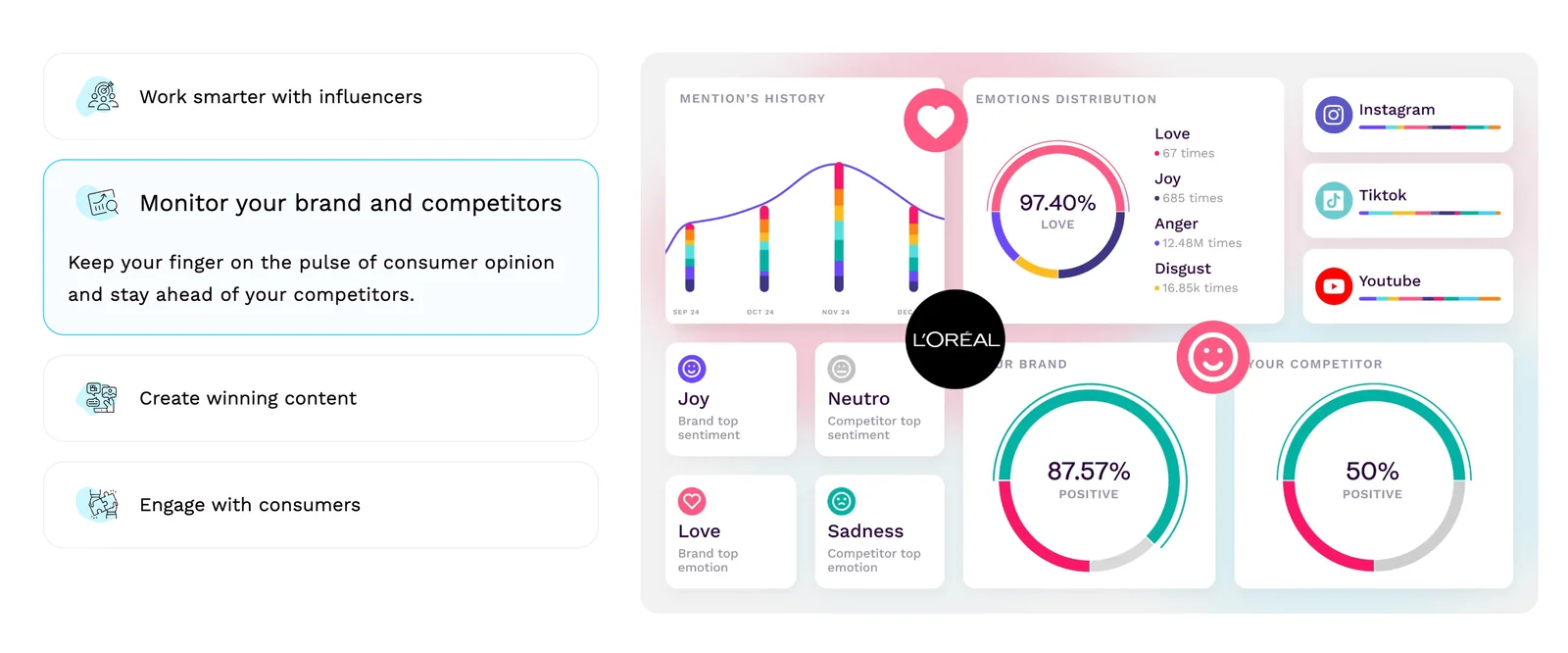
The advanced analytics and reporting capabilities set Influencity apart from its competitors. Users can access real-time data, enabling them to track engagement metrics, audience demographics, and overall campaign performance. For example, brands can evaluate which influencer generated the most engagement or conversions, allowing for data-driven decisions in future campaigns.
Another key advantage of Influencity is its user-friendly interface. The platform is designed to cater to both novice marketers and seasoned professionals, ensuring that users can navigate through its features effortlessly. This ease of use translates to quicker campaign setups and better overall user satisfaction.
Best Practices / Tips
- Utilize Influencity’s Reporting Tools: Regularly analyze performance reports to adjust strategies in real-time.
- Leverage Audience Insights: Use demographic data to select influencers whose followers align with your target market.
- Experiment with Campaign Formats: Test different types of campaigns (e.g., giveaways, product reviews) to find what resonates best with your audience.
Additional Resources
Explore more AI Ai Tools tools
Browse all Ai Tools tools →Compare Influencity: vs CleanSlop · vs Kalender Sync · vs UseIt Studio · vs Woven Video