

GPT-5.3-Codex
AIAgentic coding model combining Codex and GPT‑5 training for faster, reasoning-rich code generation and interactive developer collaboration.
GPT-5.3-Codex
Agentic coding model combining Codex and GPT‑5 training for faster, reasoning-rich code generation and interactive developer collaboration.
About GPT-5.3-Codex
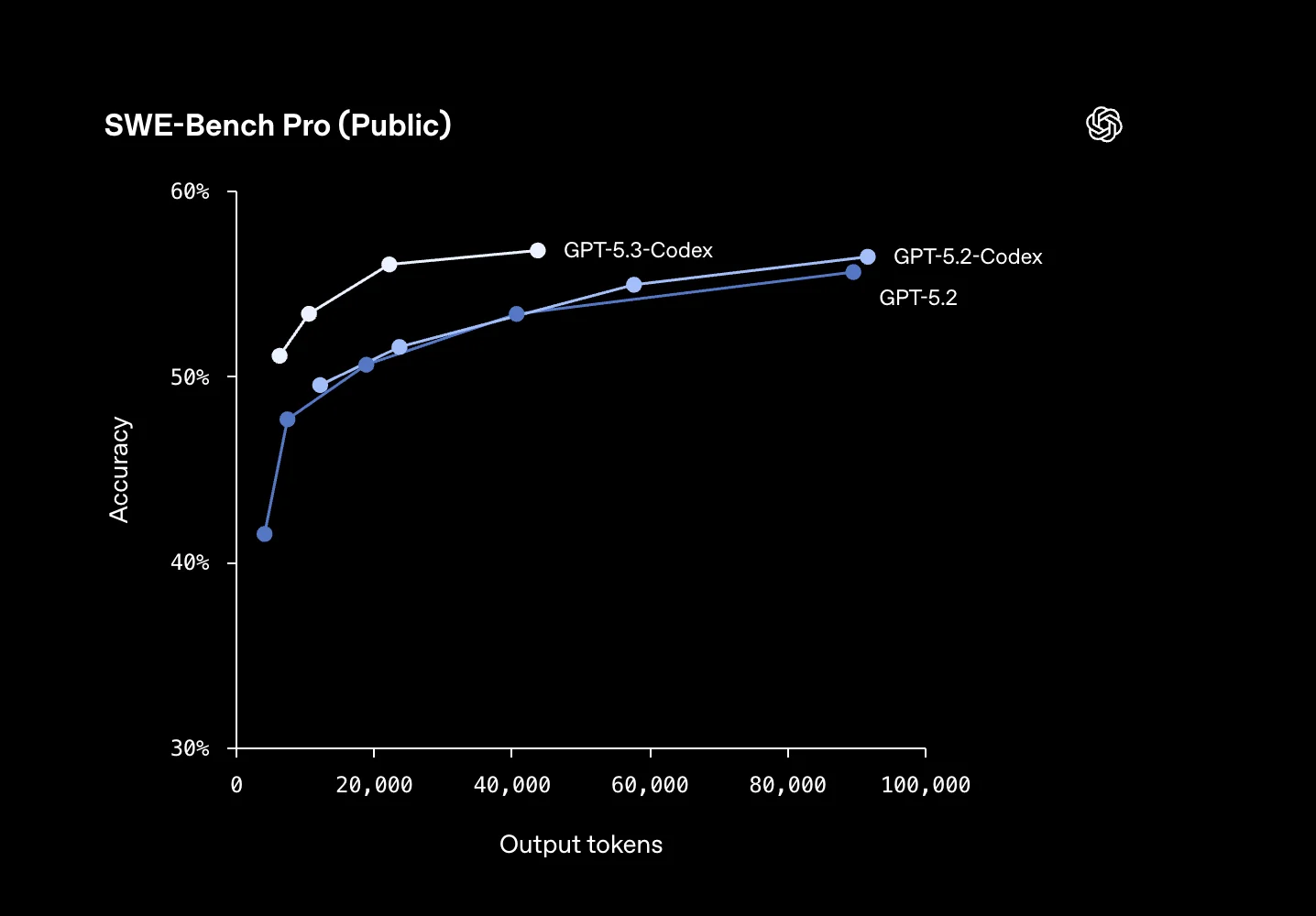
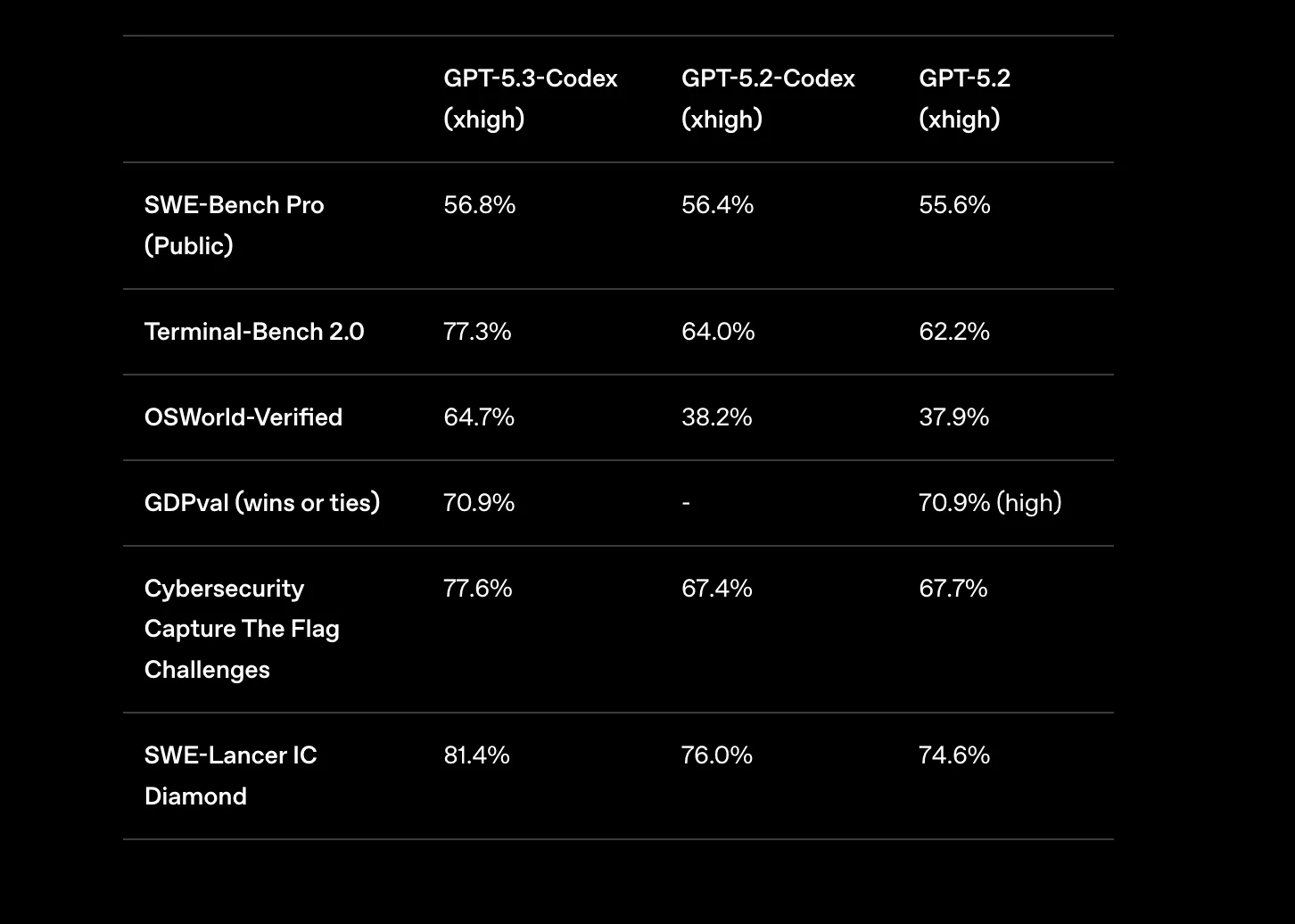
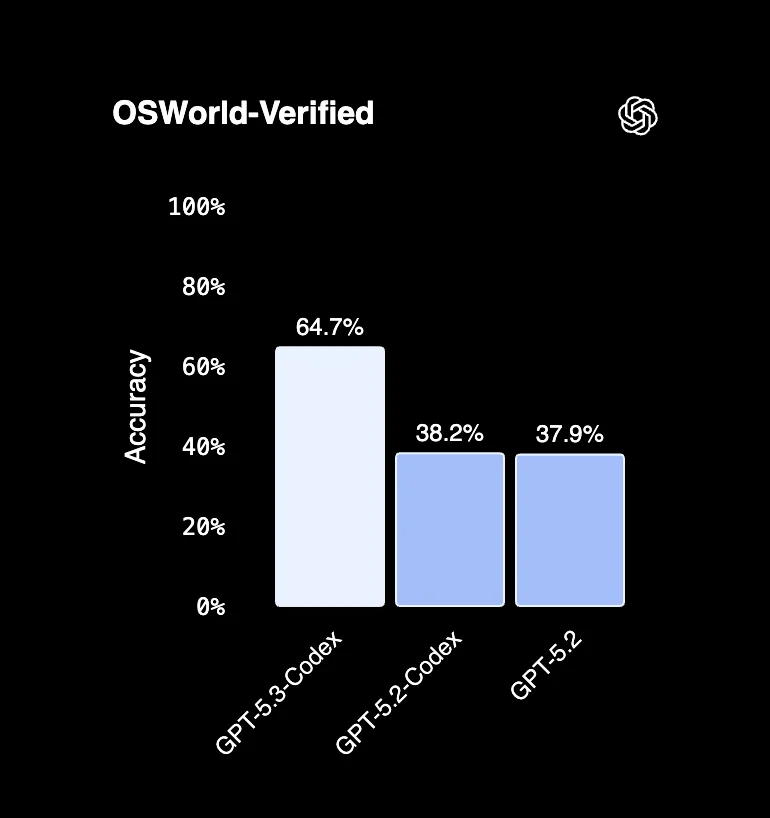
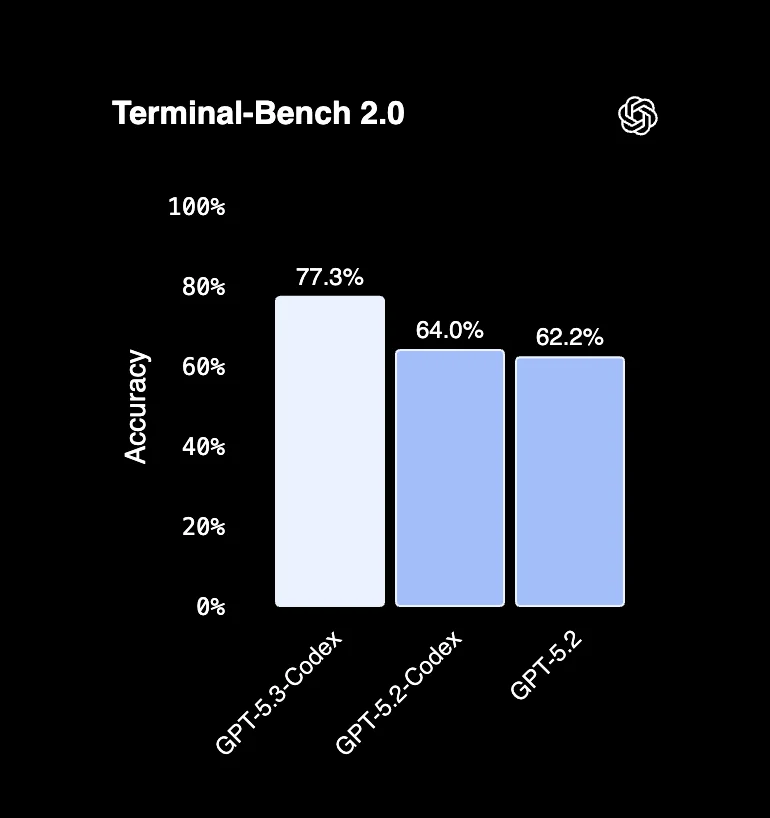
GPT-5.3-Codex is OpenAI’s agentic coding model that blends Codex-native code generation with GPT-5 general reasoning to support long-horizon, real-world software engineering tasks. It runs approximately 25% faster for Codex users, delivers more frequent progress updates, responds to steering in real time, and improves collaboration while an agent is executing multi-step coding workflows. The model raises capabilities in large-scale code transformation, professional knowledge, and cybersecurity evaluation, and is available across Codex surfaces (Codex app, CLI, IDE extensions, and web) for paid ChatGPT subscribers while API access is being rolled out.
Screenshots
Key Features
Use Cases



Frequently asked questions about GPT-5.3-Codex
What are the pricing options for GPT-5.3-Codex?
GPT-5.3-Codex is available through several subscription plans, with the ChatGPT Plus option starting at $20 per month. Pricing varies based on features, usage limits, and access to advanced capabilities, making it essential to choose a plan that fits your needs.
Key Points
- Subscription Plans: Various tiers, including free and paid options.
- Pricing Structure: Starts at $20/month for ChatGPT Plus.
- Feature Variability: Different plans offer different features and usage limits.
Detailed Explanation
GPT-5.3-Codex offers a range of subscription options tailored to different user needs. The primary plans include:
- Free Tier: Provides basic access to GPT features, perfect for casual users or those new to AI tools.
- ChatGPT Plus: At $20/month, this plan includes enhanced access during peak times, faster response speeds, and priority support. Ideal for users who rely on the tool for professional tasks or extensive projects.
- Enterprise Solutions: For businesses or advanced users, custom pricing is available based on specific requirements, such as API access, additional features, and usage allowances.
Each plan's pricing reflects the features included, such as higher token limits, more advanced AI capabilities, and additional support options. Users should evaluate their needs, including expected usage and required features, to choose the most suitable plan.
Best Practices / Tips
- Evaluate Your Needs: Determine how often you'll use GPT-5.3-Codex and the features you require. If you plan to use it for heavy tasks, the Plus plan may be more beneficial.
- Consider Usage Limits: Review the limits on tokens (input/output) for each plan to avoid unexpected costs or service interruptions.
- Stay Updated: Pricing and features may evolve, so regularly check OpenAI’s official site for the latest details.
Additional Resources
How can I maximize the value of GPT-5.3-Codex for my projects?
To maximize the value of GPT-5.3-Codex, leverage its advanced agentic coding features for long-horizon feature development and engage in interactive pair programming. This allows for real-time collaboration, iterative improvements, and effective problem-solving tailored to your project's specific needs.
Key Points
- Agentic Coding Features: Utilize AI-driven assistance for coding tasks.
- Interactive Pair Programming: Enhance collaboration with real-time input.
- Iterative Improvements: Focus on refining features through continuous feedback.
Detailed Explanation
GPT-5.3-Codex is designed to assist developers by providing intelligent code suggestions and automating repetitive tasks. To fully harness its capabilities, consider the following approaches:
-
Agentic Coding Features: This feature allows Codex to assist with complex coding tasks and can dynamically adapt to your coding style. For instance, if you are developing a web application, Codex can suggest entire functions based on your initial inputs, significantly speeding up the development process.
-
Interactive Pair Programming: Engage in a collaborative environment where Codex acts as a coding partner. By sharing your screen and discussing your project goals, you can receive instant feedback and code suggestions. This interaction not only enhances your coding quality but also fosters knowledge sharing.
-
Iterative Improvements: Adopt an agile development mindset by implementing Codex in your testing and feedback loops. Use its suggestions to refine features continuously. Set up a regular review process where you evaluate the code generated by Codex against your project requirements, allowing you to make necessary adjustments promptly.
Best Practices / Tips
- Define Clear Objectives: Before starting, outline your project goals to guide Codex effectively.
- Use Version Control: Integrate Git or similar tools to track changes and manage iterations seamlessly.
- Start with Simple Tasks: Initially, use Codex for straightforward coding tasks to familiarize yourself with its capabilities before tackling more complex projects.
- Regular Feedback: Continuously provide feedback to Codex to improve its understanding of your preferences and coding style.
- Avoid Over-reliance: While Codex is powerful, ensure you maintain your coding skills by regularly doing manual coding tasks.
Additional Resources
Utilizing these strategies can significantly enhance your project outcomes while maximizing the utility of GPT-5.3-Codex in your development process.
What key features does GPT-5.3-Codex offer for developers?
Key features of GPT-5.3-Codex include accelerated code generation, advanced reasoning abilities, seamless cross-platform integration, and enhanced collaboration tools. These features empower developers to tackle complex coding challenges more efficiently, making it a valuable asset in software development workflows.
Key Points
- Accelerated Code Generation: Produces code snippets quickly.
- Advanced Reasoning Abilities: Understands and resolves complex programming logic.
- Seamless Cross-Platform Integration: Works across various IDEs and environments.
Detailed Explanation
GPT-5.3-Codex stands out due to its sophisticated capabilities tailored for developers.
-
Accelerated Code Generation: This feature allows developers to generate boilerplate code and complex algorithms in a fraction of the time it would traditionally take. For instance, a developer can input a brief description of a function, and GPT-5.3-Codex will produce a fully functional code snippet, reducing development time significantly.
-
Advanced Reasoning Abilities: GPT-5.3-Codex excels in understanding intricate programming logic and can provide logical solutions to problems. For example, when faced with a bug in a codebase, developers can describe the issue, and the model can suggest debugging strategies or even rewrite portions of the code to resolve the problem.
-
Seamless Cross-Platform Integration: Whether using Visual Studio Code, Jupyter Notebook, or any other development environment, GPT-5.3-Codex integrates smoothly, allowing developers to leverage its capabilities without changing their workflow. This cross-surface availability means that teams can collaborate effectively, regardless of their preferred tools.
-
Enhanced Collaboration Tools: The platform offers features that facilitate teamwork, such as real-time code sharing and commenting, which help teams work together on coding projects more effectively. This is particularly useful in agile development environments where quick feedback and iterative improvement are essential.
Best Practices / Tips
- Utilize Templates: Take advantage of the accelerated code generation by using templates. Define common coding patterns and let GPT-5.3-Codex fill in the details.
- Iterate on Solutions: Use GPT-5.3-Codex to draft initial solutions and refine them through multiple iterations to enhance code quality.
- Engage with the Community: Participate in forums and communities that discuss GPT-5.3-Codex to share insights and learn from other developers’ experiences.
Additional Resources
Is there an API available for GPT-5.3-Codex, and when will it be released?
API access for GPT-5.3-Codex will be rolled out shortly after its initial launch. OpenAI will announce specific details regarding pricing and usage, which are anticipated to follow a usage-based model, allowing developers to integrate the AI capabilities seamlessly into their applications.
Key Points
- API Rollout Timeline: Expected soon after initial launch.
- Usage-Based Pricing: Details will be provided by OpenAI.
- Integration Capabilities: Designed for seamless application integration.
Detailed Explanation
The GPT-5.3-Codex API aims to enhance developers' ability to integrate advanced AI functionalities into their software solutions. Following the initial launch, OpenAI plans to make the API available, allowing users to harness the power of AI for tasks like code generation, natural language processing, and more.
Use Cases
- Code Generation: Developers can use the API to automate coding tasks, reducing development time.
- Chatbots: Businesses can integrate the API to power intelligent chatbots that provide customer support.
- Content Creation: Blogs, articles, and marketing content can be generated using the API's capabilities.
Technical Details
While specific technical specifications are yet to be announced, developers can expect features similar to previous Codex models, with improvements in understanding context and generating more precise code snippets. The API will likely support various programming languages and frameworks, making it versatile for different development environments.
Best Practices / Tips
- Stay Updated: Regularly check OpenAI's official announcements for the latest information on API access and pricing.
- Plan Integration Early: Consider how you will integrate the API into your existing projects to maximize its potential.
- Testing: Once the API is available, conduct thorough testing to ensure compatibility and performance meet your needs.
Additional Resources
How does GPT-5.3-Codex compare to previous Codex models?
GPT-5.3-Codex significantly enhances coding efficiency by integrating Codex's capabilities with GPT-5's advanced reasoning, resulting in 25% faster code generation than previous models. This makes it particularly beneficial for developers handling complex workflows, streamlining the coding process and improving overall productivity.
Key Points
- Speed Improvement: 25% faster code generation.
- Enhanced Reasoning: Combines GPT-5's advanced reasoning capabilities.
- Complex Workflows: Better suited for intricate coding tasks.
Detailed Explanation
GPT-5.3-Codex represents a substantial leap in AI-driven coding tools. By merging the strengths of Codex and GPT-5, this model excels in understanding context and intent, which is crucial for generating accurate and relevant code snippets.
For example, if a developer requests a function to sort an array of objects by a specific property, GPT-5.3-Codex can not only generate the code more quickly but also provide explanations or suggest optimizations based on best practices in programming. The model is designed to understand complex queries better, making it more intuitive for users.
Use Cases:
- Web Development: Developers can generate entire web application backends with minimal input, thanks to faster code generation and improved context understanding.
- Data Science: Analysts can request data manipulation scripts and get optimized Python code that runs efficiently.
- Game Development: Coders can receive rapid prototypes for game mechanics, reducing the time spent on iterative coding.
Best Practices / Tips
- Be Specific: The more detailed your request, the better the output. Instead of asking for a "sorting function," specify the data type and sorting criteria.
- Iterate: Use the model iteratively. Start with a basic request, review the output, and refine your queries for improved results.
- Combine with Testing: Always test generated code in your development environment to ensure it meets your specific needs and functions correctly.
Additional Resources
Explore more AI Ai Models tools
Browse all Ai Models tools →Browse by use case: Code Generation
Compare GPT-5.3-Codex: vs SWE-2 · vs Desert Ant Labs · vs Hy4 preview · vs Soup CLI