

Claude 4.6
AIClaude 4.6 (Opus & Sonnet) is Anthropic’s multimodal, long-context family of models optimized for coding, agentic workflows, and extended reasoning.
Claude 4.6
Claude 4.6 (Opus & Sonnet) is Anthropic’s multimodal, long-context family of models optimized for coding, agentic workflows, and extended reasoning.
About Claude 4.6
Claude 4.6 is a family of models (Opus 4.6 and Sonnet 4.6) that upgrades coding, long-context reasoning, agent planning, and knowledge-work capabilities. Key advances include adaptive and extended thinking modes, server-side context compaction (beta) to summarize older context, and support for very large context windows (Opus: 1M-token beta; Sonnet: large-context upgrades). The release also makes tool use (web search/fetch), code execution, memory, programmatic tool calling, and fine-grained tool streaming generally available on the API. Opus 4.6 supports extremely large single-request outputs (up to 128k tokens) and premium long-context pricing for requests exceeding 200k input tokens, making it suitable for multi-document analysis, agentic workflows, and enterprise integrations (Excel, PowerPoint, MCP connectors).
Screenshots
Key Features
Use Cases



Frequently asked questions about Claude 4.6
What are the different pricing tiers for Claude 4.6?
Claude 4.6 offers multiple pricing tiers: a Free tier, Claude Pro at $20/month, and API pricing options that range from $3 to $200/month based on usage and features. These plans cater to different user needs, from individual users to businesses requiring advanced capabilities.
Key Points
- Free Tier: Basic access with limited features.
- Claude Pro: Full access at $20/month, suitable for regular use.
- API Pricing: Flexible options ranging from $3 to $200/month based on usage.
Detailed Explanation
Claude 4.6 is designed to accommodate a wide range of users, from casual individuals to enterprise-level businesses.
-
Free Tier: This option allows users to explore basic functionalities without any financial commitment. Ideal for casual users or those who want to test the service before committing.
-
Claude Pro: For $20/month, users gain access to enhanced features, including priority support, advanced capabilities, and increased usage limits. This tier is perfect for professionals or small businesses that require more robust tools.
-
API Pricing: Claude 4.6 offers a scalable API pricing model. Users can choose from plans starting at $3 for low usage to $200/month for high-volume use. This flexibility makes it accessible for startups and large enterprises alike. Businesses can select a plan that aligns with their specific needs, making it a cost-effective solution.
For example, a startup might start with a low usage API plan and upgrade as their needs grow, whereas a larger organization may need a higher tier from the beginning to accommodate their daily operations.
Best Practices / Tips
- Evaluate Your Needs: Before selecting a tier, assess your usage requirements. The free tier is great for light users, while businesses should consider the Pro or API options.
- Monitor Usage: Regularly check your usage statistics if you choose the API pricing. This helps you avoid unexpected charges and ensure you're on the right plan.
- Consider Long-Term Plans: If you foresee consistent use, enrolling in the Claude Pro plan might be cost-effective in the long run compared to the free tier.
Additional Resources
What unique features does Claude 4.6 provide compared to other AI models?
Claude 4.6 offers distinctive features that enhance its performance, including a 1M-token context for handling extensive inputs, adaptive thinking for improved reasoning, and seamless integration with tools like Excel. These capabilities significantly differentiate it from other AI models in the market.
Key Points
- 1M-Token Context: Enables processing of large datasets and documents effectively.
- Adaptive Thinking: Enhances reasoning and problem-solving capabilities in varied contexts.
- Tool Integration: Smoothly connects with applications like Excel for practical uses.
Detailed Explanation
Claude 4.6's 1M-token context allows it to analyze extensive inputs—ideal for businesses requiring in-depth data processing. This feature is beneficial for tasks such as summarizing lengthy reports or processing large datasets, which many AI models struggle with due to token limitations.
The adaptive thinking capability is a game changer. It enables Claude 4.6 to adjust its reasoning based on the context of the conversation, making it more effective in understanding user intent and providing accurate responses. For instance, in customer support applications, this adaptability helps in quickly addressing diverse inquiries.
Integration capabilities are another highlight. Claude 4.6 can work seamlessly with tools like Excel, enabling users to automate data analysis and reporting processes. This feature is particularly useful for data analysts and businesses looking to streamline workflows. Users can input complex queries and receive structured data outputs directly in Excel, enhancing productivity.
Best Practices / Tips
- Leverage the 1M-Token Context: When working with large documents, ensure you utilize the full token capacity to enhance output quality.
- Explore Adaptive Thinking: Test Claude 4.6 in varied scenarios to see how well it adapts. This can be particularly useful in dynamic environments like customer service.
- Utilize Tool Integration: Familiarize yourself with Excel integrations to maximize efficiency in data manipulation and presentation.
Additional Resources
How can I get started using Claude 4.6 for my projects?
To get started using Claude 4.6 for your projects, first sign up for a free account on the official website. Next, familiarize yourself with the user interface and take advantage of the tutorials provided to grasp its functionalities and features effectively.
Key Points
- Sign up for a free account on the official website.
- Explore the user interface for ease of navigation.
- Utilize tutorials and documentation for comprehensive understanding.
Detailed Explanation
Starting with Claude 4.6 is straightforward. Follow these steps:
-
Create an Account: Visit the official Claude 4.6 website. Click on the "Sign Up" button and fill in the required fields, including your email address and a secure password. Confirm your email to activate your account.
-
Explore the Interface: Once logged in, take some time to navigate through the dashboard. Familiarize yourself with key sections like the project workspace, settings, and user support options. The interface is designed to be intuitive, allowing you to find tools and features easily.
-
Utilize Tutorials: Claude 4.6 offers a variety of tutorials and documentation. Access these resources from the help section. Start with basic tutorials that cover fundamental functionalities, then progress to advanced features. This will help you leverage the AI's capabilities effectively for your specific projects.
-
Experiment with Features: After learning the basics, dive into practical applications. Experiment with Claude 4.6's features like natural language processing, data analysis, and content generation. Use sample projects to apply what you've learned.
Best Practices / Tips
- Set Clear Goals: Define what you want to achieve with Claude 4.6 before starting. This focus will guide your learning and application process.
- Engage with the Community: Join forums or user groups related to Claude 4.6. Engaging with other users can provide insights, tips, and troubleshooting advice.
- Regularly Update Your Skills: AI tools evolve rapidly. Stay updated with new features and best practices by checking for updates on the official site or through community discussions.
Additional Resources
- Claude 4.6 Official Documentation
- Getting Started with AI Tools: A Beginner's Guide
- Community Forum for Claude Users
By following these steps and best practices, you can effectively integrate Claude 4.6 into your projects and harness its full potential.
What are the technical requirements for integrating Claude 4.6 with my application?
Integrating Claude 4.6 with your application requires basic knowledge of APIs and supports standard HTTP requests. For a seamless setup, refer to the comprehensive documentation available on the official website, which outlines compatibility requirements and provides helpful examples for integration.
Key Points
- Requires basic API knowledge
- Supports standard HTTP requests
- Comprehensive documentation available
Detailed Explanation
Integrating Claude 4.6 involves utilizing its API to enhance your application’s capabilities. To get started, ensure you have a basic understanding of API concepts, including endpoints, authentication, and data formats such as JSON.
-
API Access: Obtain your API key from the Claude 4.6 developer portal. This key is essential for authentication and should be kept secure.
-
Making Requests: Claude 4.6 operates using standard HTTP methods such as GET and POST. For example, to retrieve data, you would typically use a GET request to the designated endpoint, such as
https://api.claude.ai/v1/endpoint. -
Response Handling: Responses from the API are typically in JSON format. Familiarize yourself with parsing JSON to extract the necessary data for your application. Here’s a simple example in Python:
import requests url = "https://api.claude.ai/v1/endpoint" headers = {"Authorization": "Bearer YOUR_API_KEY"} response = requests.get(url, headers=headers) data = response.json() print(data) -
Error Management: Implement error handling to manage issues such as timeouts and unauthorized requests. Refer to the documentation for common error codes and their meanings.
Best Practices / Tips
- Read the Documentation: Always refer to the latest version of the official documentation for updates on features and best practices.
- Test in Sandbox: Utilize a sandbox environment for testing before deploying to production. This ensures that you can troubleshoot any issues without affecting live users.
- Monitor API Usage: Keep track of your API usage to avoid hitting rate limits. Claude 4.6 may impose limits based on your subscription plan.
- Optimize Requests: Minimize the data sent and received by filtering unnecessary fields in your API requests to improve performance.
Additional Resources
How does Claude 4.6 compare with ChatGPT in terms of performance?
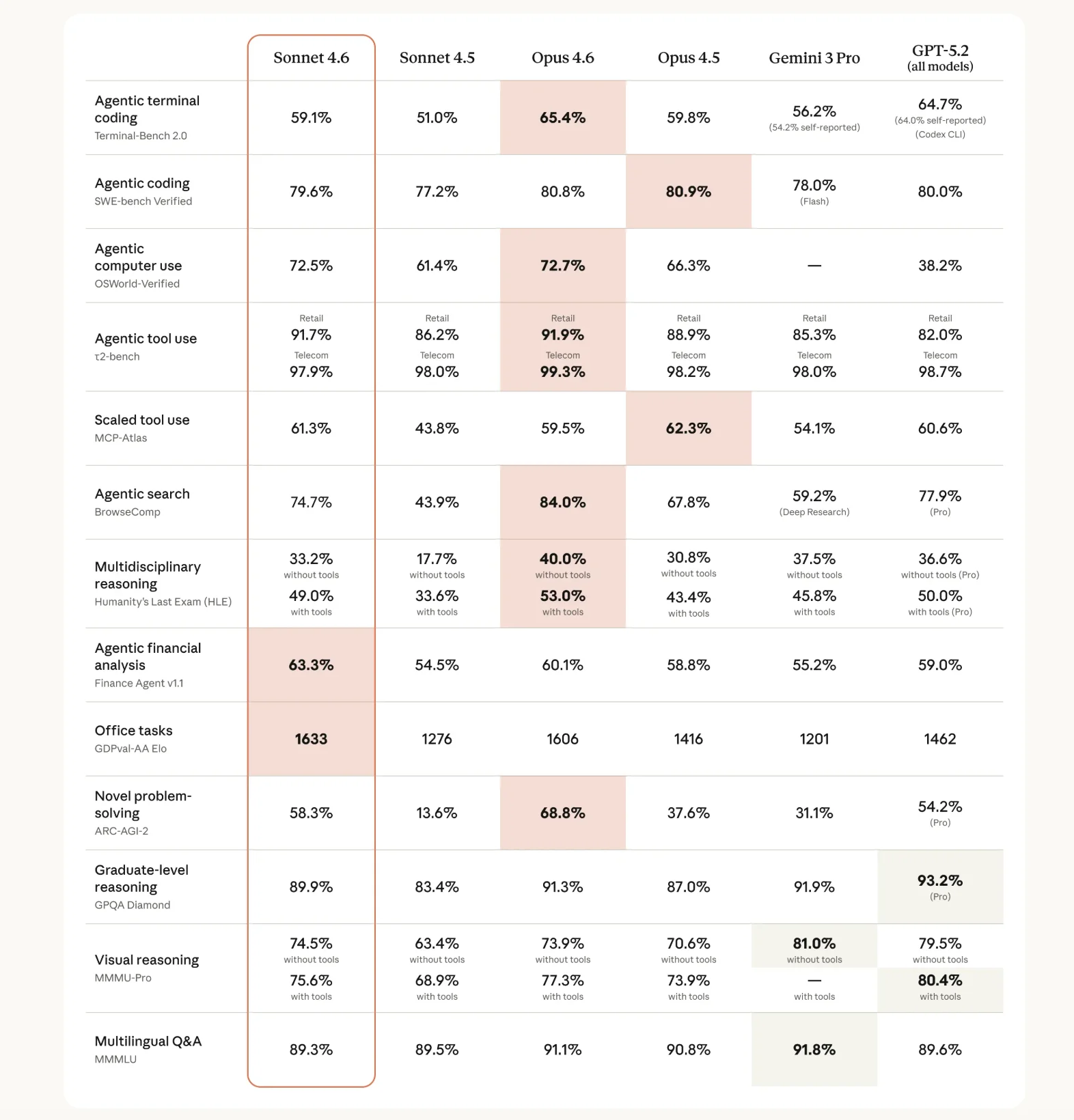
Claude 4.6 excels in long-context processing and adaptive reasoning, outperforming ChatGPT in handling complex tasks. While ChatGPT is effective for general queries, Claude 4.6's advanced capabilities make it more suitable for intricate projects requiring extensive data inputs and nuanced understanding.
Key Points
- Long-Context Capabilities: Claude 4.6 can manage longer inputs without losing coherence.
- Adaptive Thinking: It adjusts its responses based on context, enhancing interaction quality.
- Performance in Complex Tasks: Claude 4.6 is better equipped for intricate problem-solving compared to ChatGPT.
Detailed Explanation
Claude 4.6's architecture is designed for optimal performance with long-context interactions, allowing it to process and retain information from extensive dialogues. For instance, if a user is working on a detailed report or a multi-part question, Claude 4.6 can maintain context across longer exchanges, resulting in more coherent and relevant responses.
In contrast, ChatGPT may struggle with maintaining context when the input exceeds a certain length, often leading to fragmented or less coherent responses. This limitation can hinder productivity for users needing in-depth assistance, such as researchers or writers dealing with complex subjects.
Adaptive thinking is another area where Claude 4.6 shines. It can modify its responses based on prior interactions, making it more intuitive and engaging in conversation. Users can experience a more personalized exchange, which is particularly beneficial for applications in customer service or educational tools.
For example, if a user asks follow-up questions related to a previous topic, Claude 4.6 can seamlessly integrate that information into its answers. ChatGPT, while capable, may require users to restate context, leading to inefficiencies.
Best Practices / Tips
- Utilize Claude 4.6 for Complex Tasks: For projects requiring detailed analysis or extensive context, opt for Claude 4.6 to maximize output quality.
- Engage in Conversational Context: When using Claude 4.6, leverage its adaptive capabilities by asking follow-up questions to build on previous responses.
- Test Both Tools: Experiment with both Claude 4.6 and ChatGPT to determine which tool better suits your specific needs, especially for varied tasks.
Additional Resources
Explore more AI Ai Models tools
Browse all Ai Models tools →Browse by use case: Code Generation
Compare Claude 4.6: vs SWE-2 · vs Desert Ant Labs · vs Hy4 preview · vs Soup CLI