

Updated.dev
AIThe simplest way to publish release notes.
Updated.dev
The simplest way to publish release notes.
About Updated.dev
Updated (Updated.dev) is a lightweight web service focused on making the publication of release notes and changelogs straightforward. According to its official site, it emphasizes simplicity for teams or product owners who need to communicate product updates. Beyond the tagline, specific product features, integrations, and pricing details were not provided in the supplied content.
Screenshots

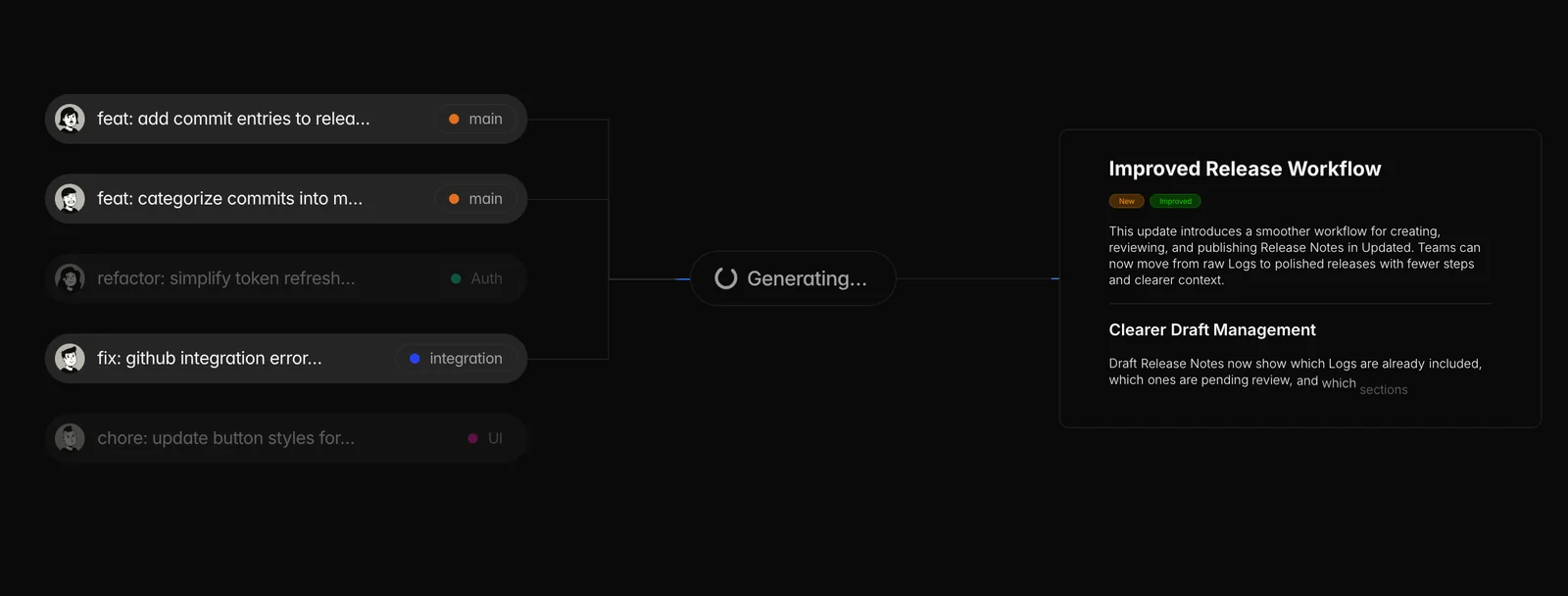
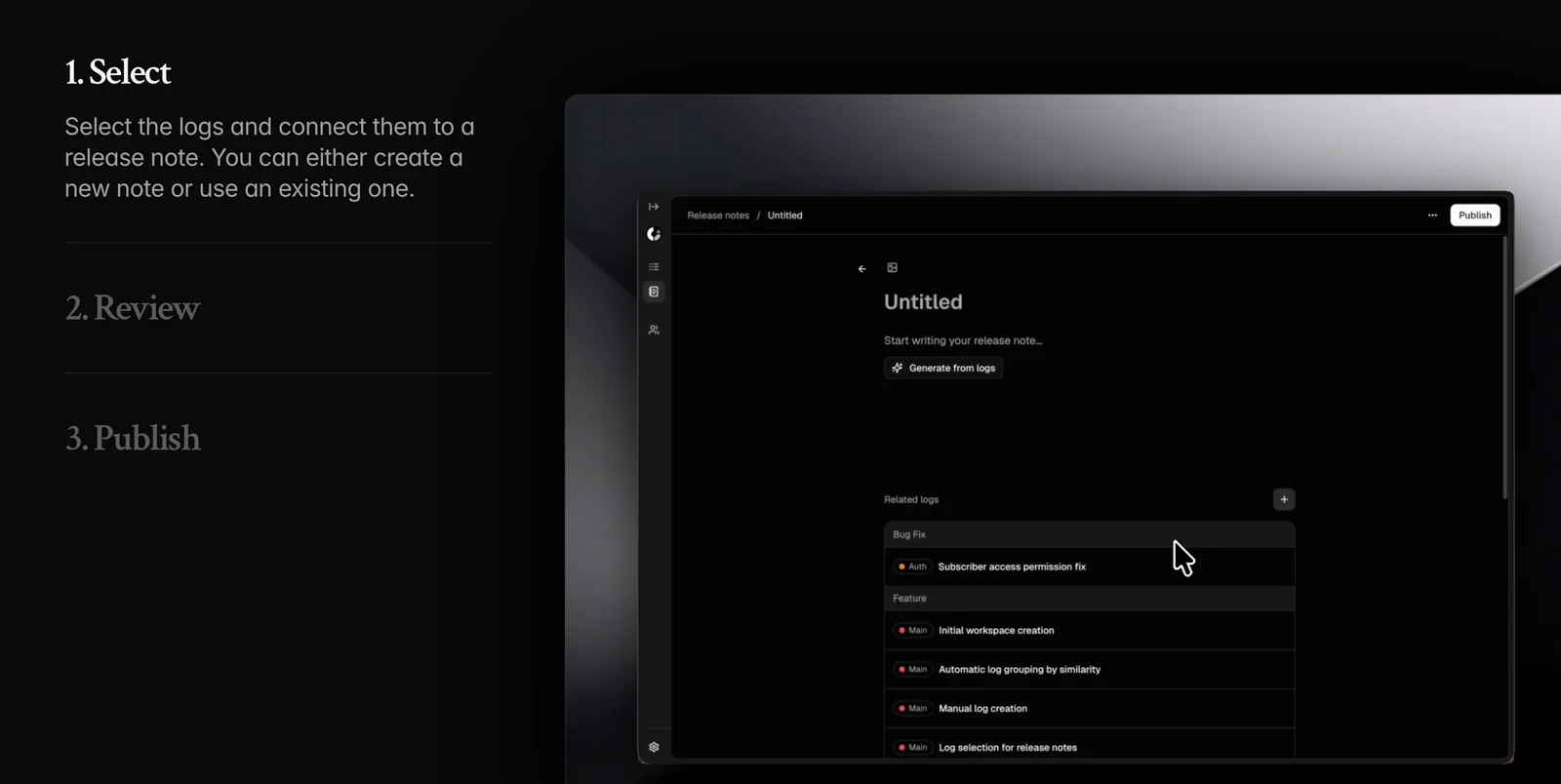
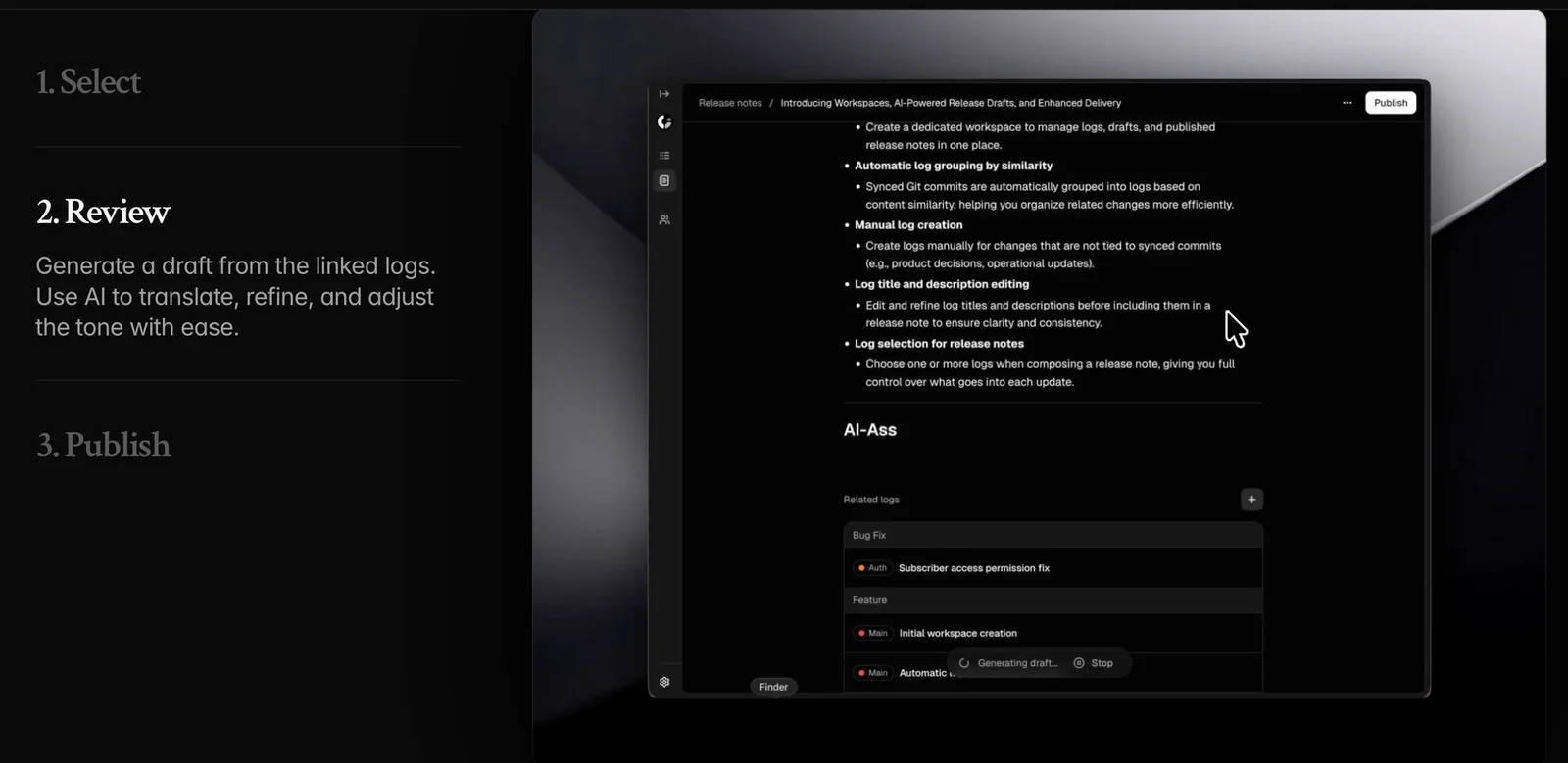
Key Features
Use Cases



Frequently asked questions about Updated.dev
How do I get started with Updated.dev?
To get started with Updated.dev, visit their official website, create an account, and select a plan that suits your needs. The free tier includes basic release notes publishing and a public changelog page, making it ideal for small projects and startups.
Key Points
- Account Creation: Easy registration process.
- Plan Selection: Options include a free tier and paid plans.
- Features: Basic release notes and public changelog available in the free tier.
Detailed Explanation
Starting with Updated.dev is straightforward. First, navigate to Updated.dev's official website. Click on the "Sign Up" button, where you will need to provide your email address and create a password. After confirming your email, you will be prompted to log in.
Once logged in, you can choose from various plans. The free plan offers essential features, such as the ability to publish basic release notes and maintain a public changelog page. This is particularly useful for small teams or individual developers looking to keep their users informed without incurring any costs.
For those needing more advanced features, such as custom branding or analytics, the paid plans offer additional capabilities. These plans are designed for larger organizations or products requiring comprehensive documentation and user engagement strategies.
Example Use Case
A small startup can utilize the free tier to publish weekly updates about their software application. This helps in maintaining transparency with users, leading to increased trust and engagement. As the startup grows, they can easily transition to a paid plan to access more sophisticated tools.
Best Practices / Tips
- Utilize the Free Tier: Start with the free plan to familiarize yourself with the platform's features.
- Regular Updates: Publish release notes consistently to keep users engaged and informed.
- Leverage Templates: Use any available templates for release notes to save time and enhance professionalism.
- Monitor User Feedback: Engage with users through the changelog to gather feedback that can guide future updates.
Additional Resources
- Updated.dev Documentation
- Pricing Plans Overview
- Community Forum for user tips and best practices.
What features does the free plan of Updated.dev include?
The free plan of Updated.dev offers essential features such as basic release notes publishing and a public changelog page. This plan is ideal for individuals or small projects that want to share updates seamlessly and at no cost.
Key Points
- Basic release notes publishing
- Public changelog page
- Suitable for individuals and small projects
Detailed Explanation
Updated.dev's free plan is designed to cater to users who require straightforward solutions for documenting and sharing software updates. The basic release notes publishing feature allows users to create and manage release notes effortlessly. This is particularly useful for developers and project managers who need to keep their team and users informed about new features, bug fixes, and other important changes.
The public changelog page provides a centralized location for all updates. This page is accessible to users and can enhance transparency regarding the evolution of the project. By having a dedicated changelog, users can quickly see the history of changes, which fosters trust and engagement.
Use Cases:
- Developers can utilize the free plan to keep their user base informed about the latest updates without incurring any costs.
- Small startups can share their product evolution with potential investors or customers, showcasing their commitment to improvement and user feedback.
- Open-source projects benefit significantly as they can maintain transparency with contributors about ongoing changes.
Best Practices / Tips
- Utilize Tags and Categories: Organize release notes with tags and categories to make them easily navigable for users.
- Maintaining Consistency: Ensure that release notes are updated regularly to keep users engaged and informed.
- Engage with Feedback: Encourage users to provide feedback on updates which can be beneficial for future improvements.
Additional Resources
Is Updated.dev easy to use for beginners?
Yes, Updated.dev is designed to be user-friendly, making it easy for beginners to publish release notes with a simple workflow. You don’t need any technical skills to get started, enabling users from various backgrounds to effectively manage their release documentation.
Key Points
- User-Friendly Interface: Updated.dev offers an intuitive design that simplifies the process.
- No Technical Skills Required: Beginners can easily navigate the platform without prior experience.
- Streamlined Workflow: The platform allows quick publishing and updating of release notes.
Detailed Explanation
Updated.dev is built with beginners in mind, featuring a straightforward interface that minimizes the learning curve. Users can quickly create release notes by following a simple, step-by-step process. For instance, once you log in, you are greeted with a clean dashboard that guides you through adding new notes or editing existing ones.
Step-by-Step Guide:
- Sign Up: Register for a free account on Updated.dev.
- Create a New Release Note: Click on the "New Release" button.
- Fill in Details: Enter your release title, version number, and the key changes.
- Formatting Options: Utilize the built-in formatting tools for easy readability.
- Publish: Click "Publish" to make your release notes live.
This process ensures that even those with no technical background can effectively communicate updates to their audience.
Best Practices / Tips
- Start with Templates: Use pre-made templates available on Updated.dev to speed up your process.
- Keep it Concise: Focus on the most critical updates to avoid overwhelming your readers.
- Use Clear Language: Write in simple, jargon-free language to ensure all users understand the changes.
Common Pitfalls to Avoid:
- Overloading Information: Don’t include every minor change; instead, highlight the most impactful updates.
- Neglecting Visuals: Consider adding screenshots or graphics to enhance clarity.
Additional Resources
- Updated.dev Official Documentation
- Beginner's Guide to Release Notes
- Best Practices for Writing Release Notes
By following these guidelines, beginners can leverage Updated.dev to efficiently manage their release notes, enhancing communication with their users and stakeholders.
Can I integrate Updated.dev with other tools?
Yes, you can integrate Updated.dev with other tools, but specific integration capabilities may vary. For the latest updates on available APIs or integration options, visit their official website. This ensures you have the most current information regarding compatibility with third-party applications.
Key Points
- Updated.dev focuses on publishing release notes.
- Integration options may vary and are subject to updates.
- Official documentation is the best resource for integration details.
Detailed Explanation
Updated.dev is primarily designed for efficiently managing and publishing release notes, making it essential for development teams aiming to communicate updates effectively. While it does not explicitly list all possible integrations, the platform may allow connections to other tools through APIs or webhooks.
Potential Integrations:
- Project Management Tools: Integrate with tools like Jira or Trello to automate the release note creation process when tasks are marked complete.
- Communication Platforms: Connect with Slack or Microsoft Teams for automatic notifications of new release notes.
- Version Control Systems: Integrate with GitHub or GitLab to pull commit messages or tags directly into your release notes.
To explore integration capabilities, it's advisable to check the following:
- API Documentation: Look for endpoints that allow data exchange between Updated.dev and your preferred tools.
- Community Forums: Engage with user communities to learn from others' experiences with integrations.
- Webinars and Tutorials: Attend any available sessions that detail integration processes.
Best Practices / Tips
- Stay Updated: Regularly check the Updated.dev blog or release notes for new integration announcements.
- Use Webhooks: If available, utilize webhooks for real-time updates to your communication channels.
- Test Integrations: Always test integrations in a staging environment to ensure functionality before deploying them in a live setting.
Additional Resources
How does Updated.dev compare to similar tools?
Updated.dev distinguishes itself from similar tools by offering a user-friendly interface for publishing release notes, making it particularly appealing for teams seeking simplicity. While it may lack some advanced features found in competitors, its straightforward approach ensures quick and efficient communication of updates.
Key Points
- User-Friendly Interface: Updated.dev simplifies the process of creating and publishing release notes.
- Focus on Simplicity: Ideal for teams that prioritize ease of use over extensive features.
- Limited Advanced Features: May not cater to users needing comprehensive project management tools.
Detailed Explanation
Updated.dev is designed primarily for teams that require a hassle-free way to communicate software updates and release notes. Unlike more complex alternatives, Updated.dev emphasizes simplicity and speed.
User-Friendly Interface
The platform boasts an intuitive dashboard that allows users to create, edit, and publish release notes quickly. This is particularly beneficial for small to medium-sized teams that may not have dedicated resources for documentation. With features like drag-and-drop functionality and customizable templates, users can produce professional-looking notes in minutes.
Comparison with Alternatives
While tools like Jira and Confluence offer extensive features such as project management and integration with other applications, they can be overwhelming for users who only need basic release note functions. Updated.dev focuses solely on this need, enabling teams to publish updates without navigating through complex systems.
Use Cases
- Startups: Ideal for early-stage companies that need to keep stakeholders informed without the complexity of larger tools.
- Agile Teams: Perfect for agile development teams that require rapid turnaround on communication regarding updates and features.
Best Practices / Tips
- Keep It Simple: Focus on clarity and brevity when writing release notes. Use bullet points for key updates to enhance readability.
- Regular Updates: Publish notes consistently to keep your audience informed and engaged.
- Feedback Loop: Encourage team members to provide feedback on the release notes to improve clarity and relevance over time.
Additional Resources
Explore more AI Ai Services tools
Browse all Ai Services tools →Compare Updated.dev: vs ClinicFrame · vs Illume Labs · vs Velane · vs OpenComputer